When Fusion Becomes Theft: The Complicated Truth About Integration and Innovation [Part 2]
On cross-cultural creativity, capitalist appropriation, and why we can't define excellence while claiming to pursue it
{Read Part 1}
But back to a question I had earlier. What is excellence? I can't define excellence while claiming hybrid genres are the future of it, and I think that contradiction exposes something fundamental about these conversations.
We use "excellence" as if it's neutral assessment of quality, but it's always ideological. Excellence means "matches the standards set by whoever has power to define standards." Those standards shift based on who's defining them and what serves their interests.
In 19th-century America, "excellence" in music meant mastery of European classical forms. Francis Johnson achieved that excellence undeniably. He performed for Queen Victoria, published compositions internationally, commanded the highest fees in American music. But his excellence didn't prevent erasure because excellence wasn't actually the standard. Whiteness was.
In mid-20th-century America, jazz musicians achieved technical and creative excellence that revolutionized global music. But "excellence" in commercial terms meant accessibility to white audiences and profitability for white-owned labels. Black musicians had to prove excellence while also making their art palatable enough to cross over, a contradiction white musicians never faced.
Today, "excellence" supposedly means innovation, originality, technical proficiency, cultural impact. But which innovations count? Whose origins matter? What technical skills are valued? Which cultural impacts are celebrated?
When Afrobeats dominates global charts, is that excellence being recognized, or is it African music finally accessing distribution channels that always existed for Western pop? When Latin artists cross over, are we celebrating their excellence, or are we finally paying attention to excellence that existed all along?
The shift toward celebrating "fusion" and "hybrid" forms as the future of musical excellence often means this: "We've figured out how to profit from combining marginalized traditions in ways mainstream audiences will consume."
To me, that’s not excellence. That's just capitalism finding new extraction methods.
Do any industries show measurable integration dividends? I think the answer depends on how we measure and who benefits.
Tech companies love to claim diversity drives innovation, citing research showing diverse teams generate more creative solutions. But the same companies maintain homogeneous leadership, compensate diverse employees less, and patent innovations developed collaboratively while attributing them to individuals.
The "dividend" goes to the company, not the diverse workers who generated it.
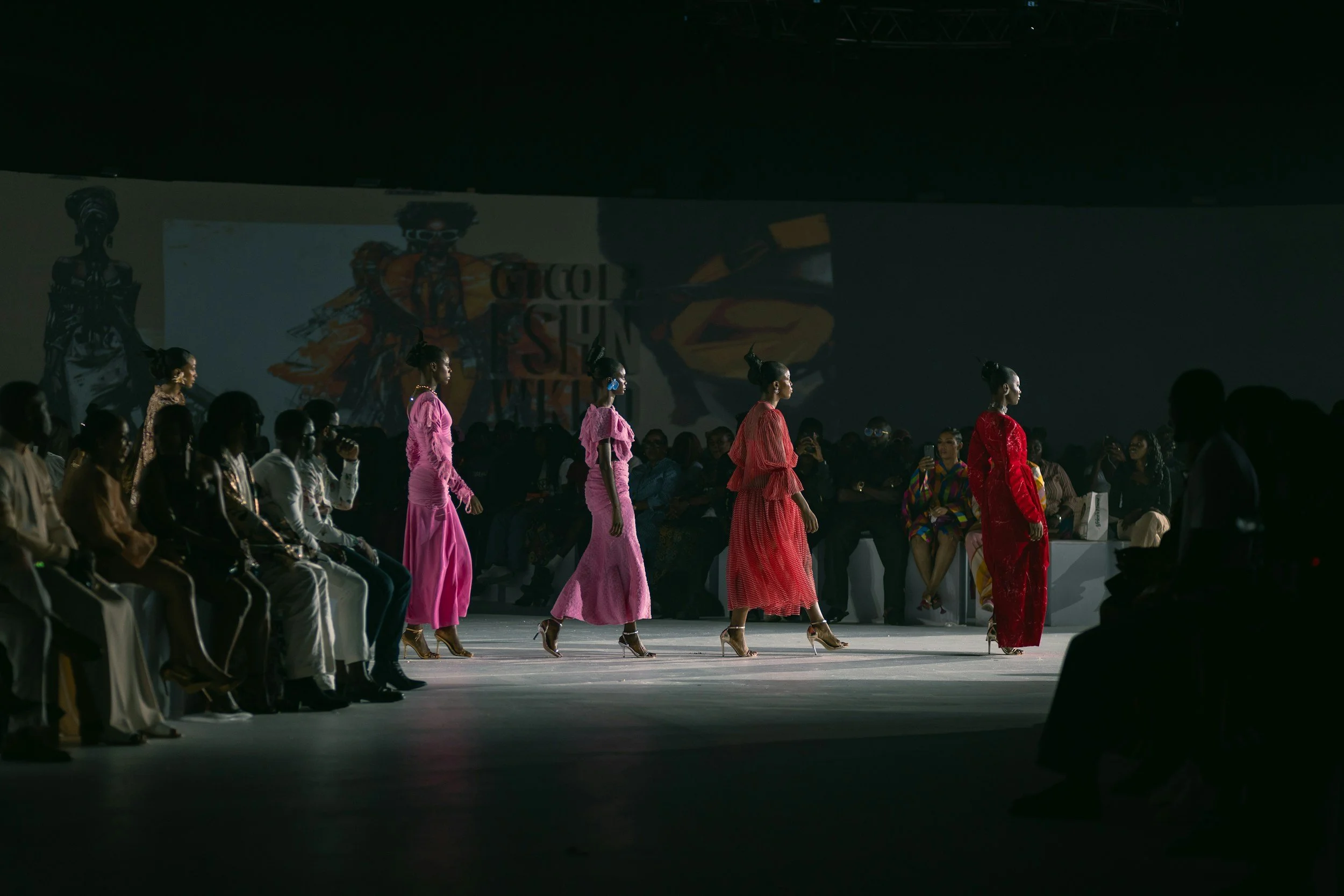
The fashion industry shows the pattern clearly too. Designers "borrow" from non-Western traditions, claim credit for innovation, and profit from fusion aesthetics while the communities whose traditions are being fused see minimal benefit and often face accusations of inauthenticity when they commercialize their own cultural production.
How about food culture? Fusion cuisines created by immigrant chefs blending traditions can generate acclaim and economic opportunity for the creators. But it still depends heavily on who's fusing. A white chef creating "Asian fusion" typically gets celebrated as innovative. An Asian chef creating the same thing often gets accused of inauthenticity or told their food isn't "real" ethnic cuisine.
For dance, simply see Madonna vogueing. The measurable dividends of integration exist, but they don't distribute evenly. Integration enriches those with power to define what counts as innovation, access to capital and distribution, ability to control narratives about origins and credit.
For marginalized creators, integration often means watching others profit from your traditions while you're told you're not innovative enough, too ethnic, not "elevated" enough. This is all code for "not white enough."
I get that this framing assumes diversity and authenticity are opposed or that innovation requires compromising purity. But that's not how culture works. No musical tradition is pure. Every tradition we treat as authentic was birthed from earlier fusions that someone probably worried would dilute authenticity. The "traditional" blues that British rockers drew from was itself fusion of African and European elements. The "classical" music Francis Johnson mastered integrated and synthesized centuries of European regional traditions. Authenticity is always constructed retroactively. We declare something authentic once enough time passes that we forget it was controversial fusion when it emerged.
So the question isn't whether diversity dilutes authenticity. The real question is who gets to create new fusions that will someday be called authentic traditions? Whose innovations count as evolution versus appropriation? Who benefits when diverse elements combine?
Does diversity accelerate innovation curves? Yes, and with evidence. Every significant musical development came from cross-cultural exchange, whether through collaboration, appropriation, migration, technology, or force. But accelerating innovation curves isn't inherently good. Innovation for whom? Innovation serving what purposes? Innovation distributing benefits how?
The internet accelerated musical innovation by making global sounds instantly accessible. It also accelerated appropriation, obscured origins, and created conditions where viral trends matter more than artist compensation. That's innovation, but is it enrichment?
Here's what I think. We're actually watching in real time. Capitalism has figured out how to monetize diversity rhetoric while maintaining extractive relationships with diverse creators.
"Integration as enrichment" becomes marketing language for "we've found new sources to extract from." "Fusion as innovation" means "we can sell hybrid sounds to multiple demographics." "Cross-cultural collaboration" often translates to "established artists with resources can access emerging sounds before the creators can capitalize on them." I’m boldly cynical and this is simply pattern recognition from watching how industries actually operate versus how they describe themselves.