When Fusion Becomes Theft: The Complicated Truth About Integration and Innovation [Part 1]
On cross-cultural creativity, capitalist appropriation, and why we can't define excellence while claiming to pursue it
The music industry narrative is shifting. "Diversity" as optics is giving way to "fusion" as innovation. We're told that African and global genres are shaping music's future, that cross-genre collaborations bridge eras and identities, that hybrid sounds represent the next evolution of musical ecosystems.
The evidence seems compelling. Afrobeats is dominating global charts. Latin music continues reshaping American pop. K-pop borrows from everywhere while creating something distinctly its own. Collaborations between artists from different traditions produce sounds that wouldn't exist otherwise.
Integration, we're told, enriches creativity. Cross-cultural fusion drives innovation. Diversity improves music. And yet.

As someone who researched how 19th-century Black orchestras were systematically erased from music history, as a therapist watching musicians navigate industries that profit from their culture while denying them equity, as a former performer who witnessed fusion celebrated while origins were forgotten… I can't accept these narratives uncritically.
Because I've seen what happens when "integration" means extraction, "fusion" means theft, and "innovation" erases the innovators. When institutions celebrate hybridity while refusing to credit origins, compensate creators, or challenge the power dynamics that determine who gets to fuse and who gets appropriated, the question isn't whether integration enriches creativity. Obviously it does.
Every musical innovation we celebrate emerged from cultural collision, exchange, or synthesis. The real question is: who benefits from that enrichment? Who gets credited? Who gets paid? Who gets erased? And perhaps more fundamentally, what does "excellence" even mean when we can't define it but everyone claims to pursue it?
Let's start with what can't be denied. Musical innovation has always emerged from integration, whether voluntary or forced, collaborative or extractive.
Jazz didn't emerge from isolated African or European traditions. It was forged in the collision between them, from African rhythmic complexity meeting European harmonic structures in conditions of slavery, migration, and urban proximity. The result was something neither tradition could have produced alone, something that changed global music forever.
The Beatles didn't revolutionize rock by staying within British working-class traditions. They absorbed American blues and R&B, Indian classical music, avant-garde experimentation, creating hybrid forms that influenced generations. Their "innovation" depended entirely on cross-cultural integration.
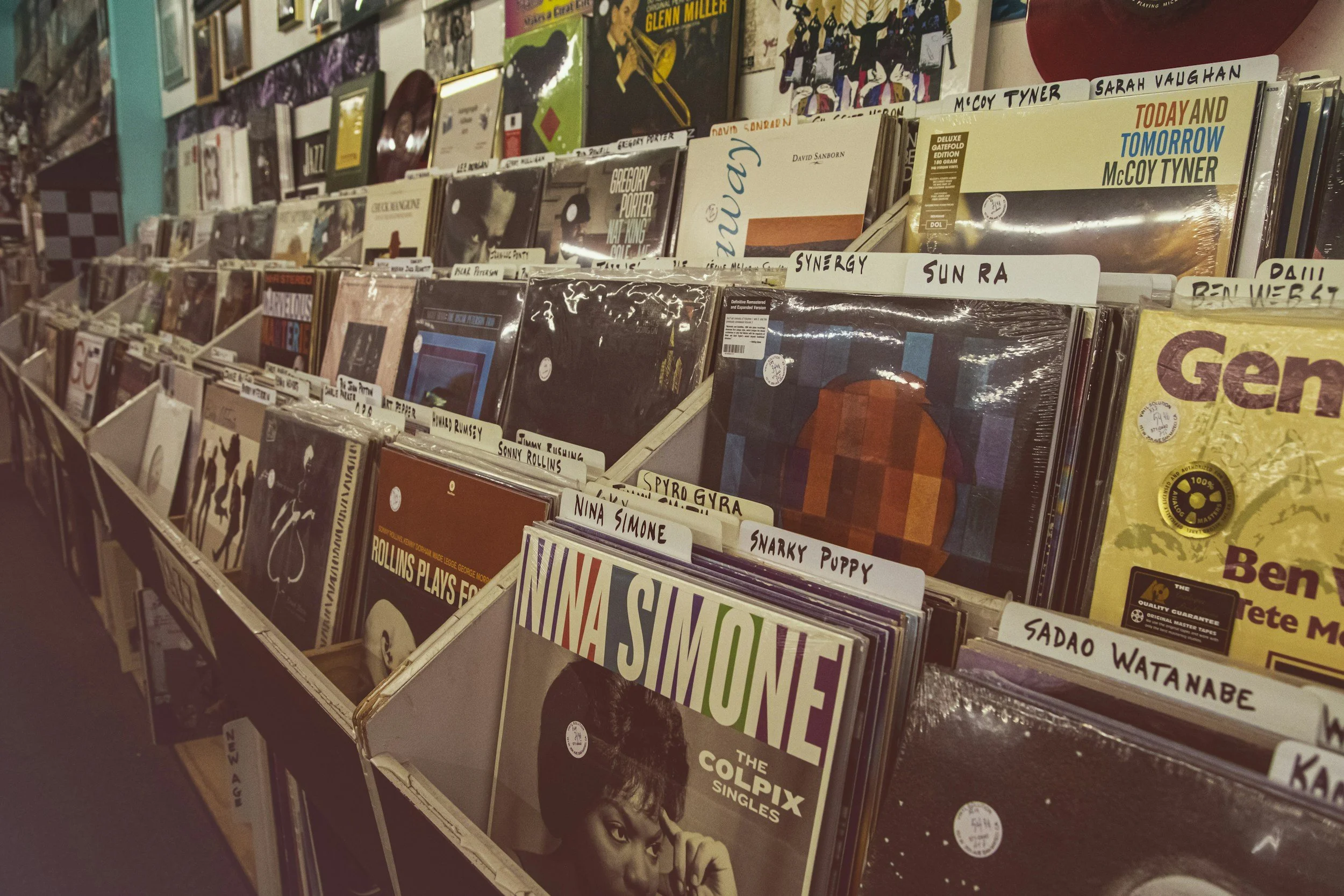
Reggaeton emerged from Jamaican dancehall meeting hip-hop meeting Latin rhythms in Panama and Puerto Rico. The genre that now dominates global charts wouldn't exist without that specific collision of Caribbean, American, and Latin American musical traditions.
K-pop's global dominance comes partly from its sophisticated fusion approach to Korean language and aesthetics combined with American pop production, hip-hop flows, R&B vocals, and EDM structures. The hybridity seems on the surface like dilution, which is kind of the whole point.
Afrobeats' current moment represents African artists reclaiming and transforming musical elements that originally came from Africa, were developed in diaspora, and now return transformed. A bit of a circular fusion that complicates simple narratives about cultural ownership.
So the pattern is clear that integration produces innovation. Cross-cultural exchange generates sounds that single traditions can't create alone. In this sense, diversity accelerates innovation curves. OK. But that's not the whole story.
My research on 19th-century Black orchestras taught me how thoroughly achievement can be erased when it contradicts preferred narratives. Francis Johnson, Walter Craig, and the Negro Philharmonic Society were internationally acclaimed musicians whose very existence has been forgotten because remembering them complicates stories about who creates "classical" music.
The same erasure happens with musical fusion. We celebrate hybrid genres while forgetting who created the elements being fused. We call innovations "new" when they're actually decades-old traditions finally reaching mainstream attention. We credit the synthesizers while ignoring the sources.
Rock and roll offers the clearest example. Elvis became "the King" by performing music created by Black artists who couldn't access the same audiences, radio play, or financial rewards. The "innovation" wasn't the music because that already existed. The innovation made it palatable for white audiences and profitable for white-owned labels. I wouldn't say this was innocuous fusion enriching everyone involved as much as extraction enriching some while erasing others.
The British Invasion bands often cited their blues influences, but the economic benefits flowed primarily to white British musicians while Black American blues artists remained impoverished. The "integration" meant white artists could access Black musical traditions, gain international fame, and build generational wealth, while the creators of those traditions struggled for recognition and compensation.
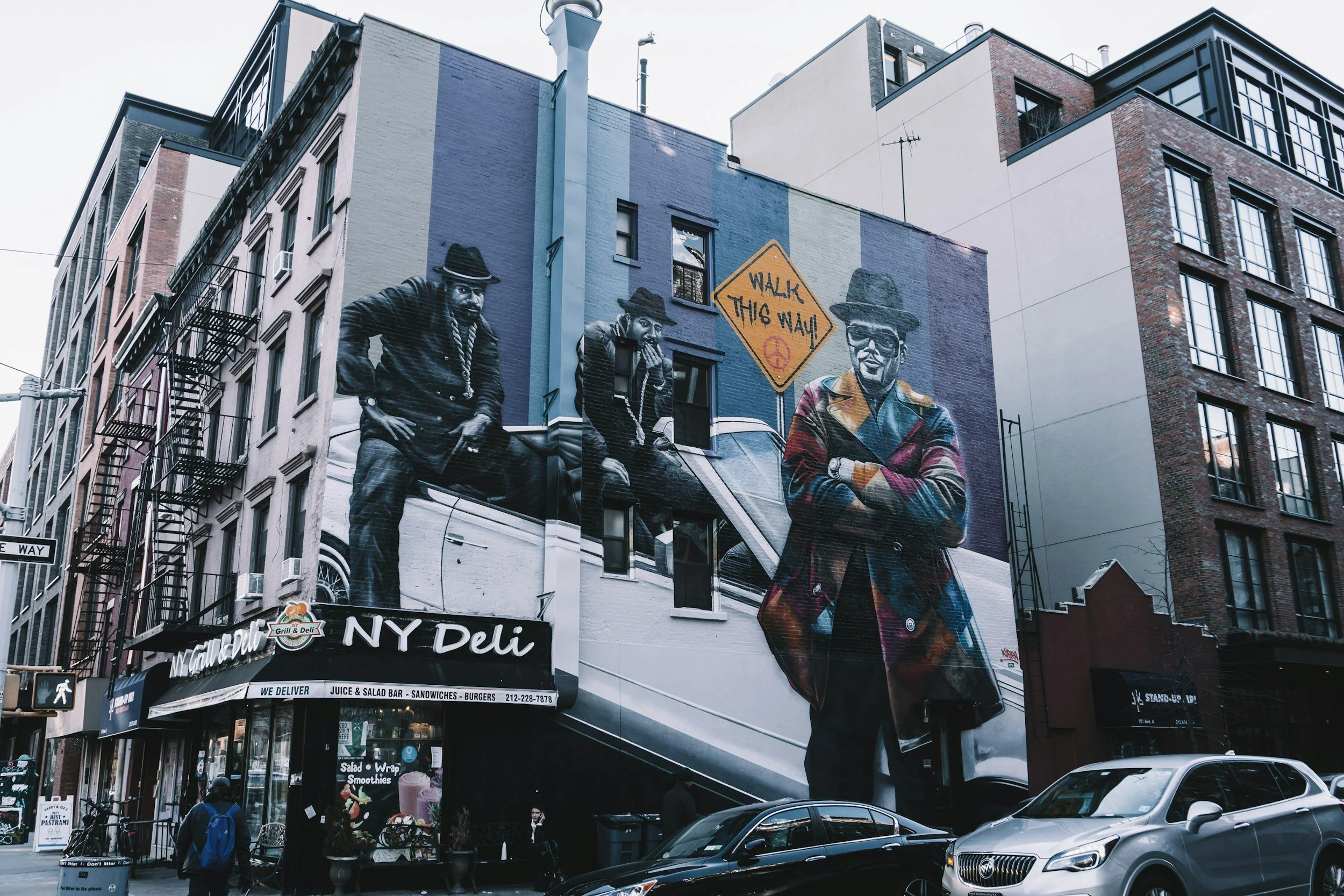
Hip-hop's global expansion shows the pattern continuing. The genre created by Black and Latino youth in the Bronx now generates billions globally, but the communities where it originated see minimal economic benefit. As hip-hop "integrated" into mainstream culture, it became profitable for corporations, white artists who could access resources their Black peers couldn't, and platforms that monetized culture they didn't create.
When we celebrate "fusion" without examining these power dynamics, we're simply celebrating appropriation with better branding. The music industry specifically loves to collapse appropriation and appreciation into the same category: "influence." But the difference matters because it's not about intent or respect. It’s just about power and money.
Let me clarify a few things that I mentioned when discussing the ethics of smudging with California white sage about the difference between appreciation and appropriation. Appreciation involves artists learning from traditions, crediting sources, collaborating with originators, ensuring economic benefit flows to communities being drawn from, and understanding their work as continuation of lineage rather than creation of novelty.
Appropriation involves extraction without credit, profit without compensation, access without reciprocity, celebration of the appropriator while ignoring the source, and framing borrowed elements as innovation rather than inheritance.
The same musical exchange can be appreciation or appropriation depending on the power dynamics involved. When Paul Simon worked with South African musicians on Graceland, the collaboration became complicated by questions of compensation, credit, and whether he was introducing their music to global audiences or extracting it for his own career benefit during apartheid.
When Diplo and Major Lazer incorporated Jamaican dancehall and Brazilian funk into electronic music, were they creating bridges between genres or leveraging marginalized traditions for personal brand building?
Not simple questions with clear answers, but questions we have to ask if "integration as enrichment" is going to be more than marketing language.
My opinion that the internet makes preservation difficult if not impossible isn’t novel. I’m simply identifying something crucial. Digital culture fundamentally changed how musical integration happens and how credit operates.
Pre-internet, musical transmission happened through specific, traceable channels. You could document who taught whom, which records influenced which artists, how traditions traveled and transformed. Lineage was mappable even if institutions chose not to map it. The internet exploded that legibility. Sounds circulate globally and instantly. Artists sample, remix, and incorporate elements they discover online without knowing origins. Algorithms recommend music based on sonic similarity rather than cultural context. TikTok trends make songs viral divorced from the artists who created them.
This creates conditions where appropriation becomes almost unavoidable. Artists genuinely might not know they're borrowing from specific traditions because they encountered sounds algorithmically rather than contextually. The infrastructure itself obscures lineage.
But it also creates opportunities for origin stories to surface. The same platforms that obscure can illuminate. Artists can be called out for appropriation immediately. Marginalized musicians can use social media to claim credit and demand compensation. Communities can organize to protect their cultural production.
The question is whether institutions (labels, streaming platforms, media companies) choose to build systems that preserve and credit origins or systems that profit from obscuring them.
So far, we know the answer.