The Music We Forgot to Remember: Why Black History Is American History
A reflection on forgotten orchestras, erased achievement, and why we all lose when we segregate our past
When I tell people I spent years researching 19th-century Black orchestras for my ethnomusicology thesis, I usually get the same response: confusion. "Black orchestras?" they ask. "In classical music? In the 1800s?" The surprise in their voices reveals something profound about how we've constructed American history. No, not just what we've forgotten, but what forgetting costs us.
This Black History Month arrives during a moment when our nation feels increasingly fractured, when the phrase "civil war" appears in think pieces and social media threads with disturbing frequency. We're fighting about whose history matters, whose stories deserve telling, whose achievements count as "American." But my research into musicians like Francis Johnson, Walter Craig, and the Negro Philharmonic Society taught me something that feels urgent to share now: when we segregate history, we impoverish everyone. When we forget Black achievement, we lose essential truths about American possibility.
The orchestras I studied weren't footnotes to American history. They were American history, those vibrant, accomplished, internationally acclaimed ensembles that performed for integrated audiences, toured Europe, and shaped the development of American music in ways we've systematically erased from our collective memory.
As we are seeing with the dismantling of history from women, people of color, and LGBT communities, erasure isn't accidental. It’s ideological. And understanding why we forgot orchestras of the past helps explain the fault lines threatening our present.
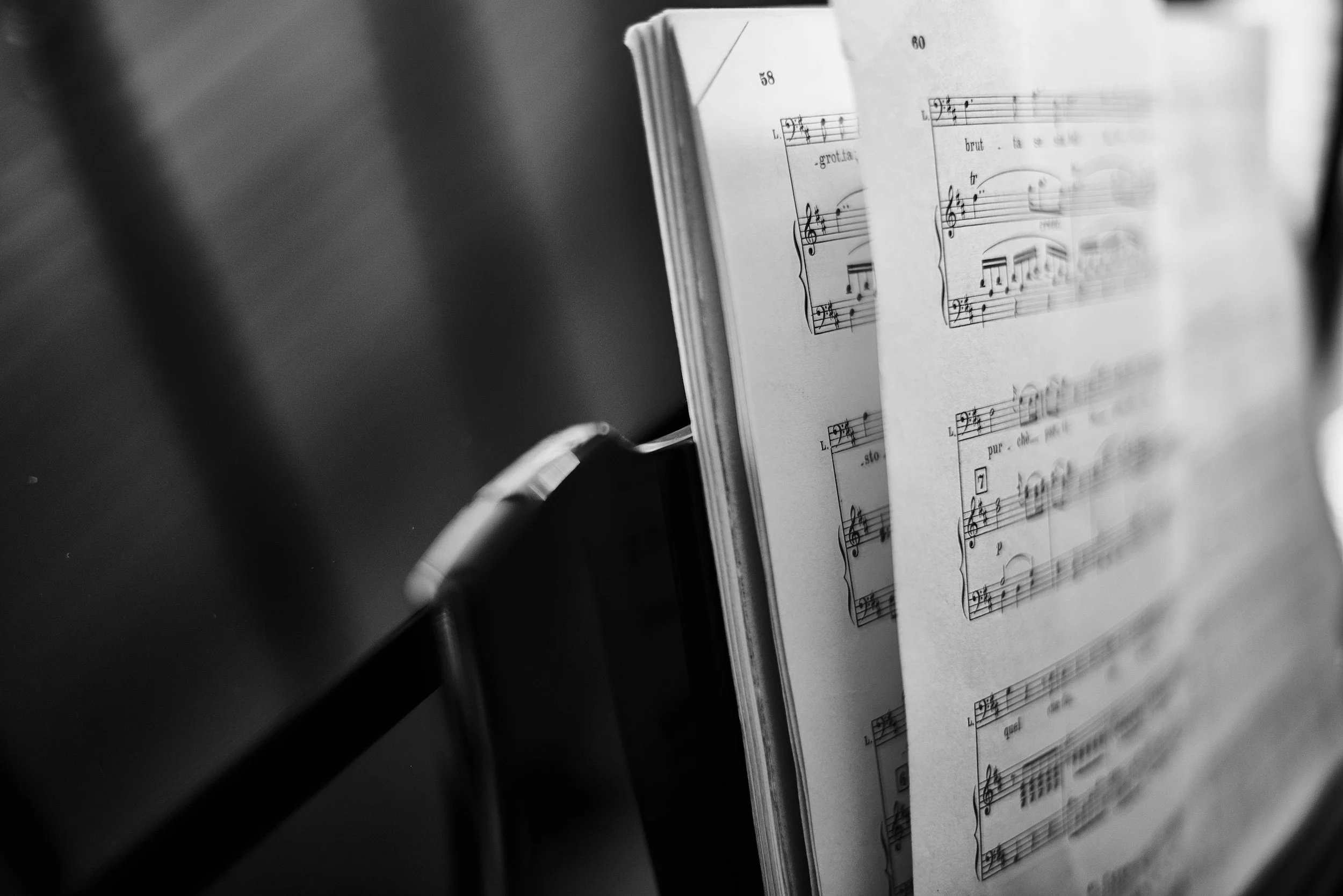
Francis Johnson wasn't just a talented musician. He was the first American bandleader, Black or white, to tour Europe. His orchestra performed at Queen Victoria's court. He composed hundreds of pieces, published extensively, and commanded fees that rivaled any musician in the country. In the 1820s through 1840s, if you wanted the best dance music, the most sophisticated arrangements, the most professional musicianship in Philadelphia or New York, you hired Francis Johnson's orchestra.
The Negro Philharmonic Society of New Orleans wasn't a curiosity or an exception. It was a scholarly body of over one hundred musicians who performed European classical repertoire to packed houses. They maintained a music library, ran a rigorous apprenticeship program, and included both Black musicians and white European musicians who wanted to perform with the best players available.
Walter Craig achieved something that should be impossible according to our current understanding of 19th-century racial dynamics: he was the first Black musician admitted to the all-white Musicians' Protective Union. He performed as principal violinist in Dvořák's orchestra. The New York Herald praised his "exquisite harmony, firm yet delicate" playing without mentioning his race, while Black-owned newspapers celebrated him as "the young prince of Negro violinists."
These might be dismissed as isolated examples today, but really they represented a broader pattern of Black excellence in classical music that thrived throughout the 19th century, drawing integrated audiences, earning critical acclaim, and demonstrating possibilities for American society that contradicted everything the increasingly rigid racial order wanted to claim about Black capabilities.
Then we forgot them. Almost completely.
Forgetting isn't passive. In fact, it requires active construction of new narratives about both Black people and classical music. That’s what made the existence of these orchestras seem impossible, even anomalous.
As Jim Crow solidified after Reconstruction, the cultural project of justifying segregation required erasing evidence of Black achievement in domains claimed as exclusively white. Classical music became coded as white culture, requiring technical sophistication and intellectual refinement that racist ideology insisted Black people couldn't possess. The existence of Black orchestras that had performed for Queen Victoria, filled concert halls, and earned international acclaim contradicted this narrative too directly.
Simultaneously, the construction of "Black music" as a category separate from American music relegated Black musical achievement to specific genres that could be contained, commodified, and controlled. Jazz, blues, spirituals… these became acceptable domains for Black musicality, framed as "natural" expressions of racial character rather than sophisticated artistic achievements. Classical music was excluded from this category entirely, making Black classical musicians legible only as anomalies rather than as part of a rich, continuous tradition.
The result was a double erasure. Black classical musicians disappeared from the history of classical music, where they were excluded on racial grounds. They also disappeared from the history of Black music, where classical music itself was excluded as not authentically Black. Francis Johnson, Walter Craig, and hundreds of other accomplished musicians simply vanished from our collective memory.
It would be naive to say this was just about music. If we take a step back for perspective, we see that it was about constructing an American identity that required segregated achievement, that insisted on racial categories determining what was possible, that made integration seem unprecedented rather than reclaimed.

We're living through a moment when Americans are being asked to choose between competing versions of our history. Some insist we should focus only on triumphant narratives of white, heterosexual, primarily male American exceptionalism. Others argue we should center histories of oppression and injustice of all people to show strength, resilience, and unity. The polarization feels irreconcilable, contributing to the sense that we're heading toward some kind of breaking point.
But the history of 19th-century Black orchestras offers a different path. It's neither simple triumph nor simple oppression. It's complex, contradictory, and profoundly American in ways that challenge both sanitized and simplified narratives.
These musicians achieved remarkable success in a slave society. They performed for integrated audiences during an era of increasing segregation. They commanded respect and economic power while navigating relentless racial prejudice. They created art that drew from both European and African traditions, forging something new that belonged fully to neither and entirely to both.
Their history reveals that integration isn't unprecedented in America. It's been fought for, achieved, and then actively dismantled multiple times throughout our past. The Negro Philharmonic Society included white European musicians who chose to perform with Black colleagues because they recognized superior musicianship. Walter Craig joined an all-white professional union not through lowered standards, but through undeniable excellence. Francis Johnson's orchestra performed for both Black social dances celebrating Haitian independence and white society balls, using the same sophisticated musicianship to serve different communities.
This pattern of integration followed by deliberate re-segregation appears throughout American history. We integrate when economic or social pressures make it advantageous. We re-segregate when those pressures ease and ideological commitments to racial hierarchy reassert themselves. The musicians I studied lived through one of these cycles. We're living through another.
When we segregate history by race, insisting that Black history and American history are somehow separate categories, we lose access to essential truths about how American society actually functions and what it's capable of becoming.
We lose the understanding that excellence transcends racial categories. Francis Johnson wasn't excellent "for a Black musician." He was excellent, period. His compositions stood alongside any American composer of his era. His orchestra's musicianship competed successfully with any ensemble in the country. The qualification of his achievement by race was ideological, not artistic.
We lose the evidence that integration has deep American roots. The image of integration as a mid-20th-century invention imposed by federal courts erases centuries of Americans who chose to work together, perform together, create together across racial lines because they recognized shared humanity and mutual benefit. The Negro Philharmonic Society's white musicians didn't integrate because of legal mandate. They integrated because they wanted to play with the best musicians available.
We lose the recognition that Black achievement has always required extraordinary resilience in the face of systematic obstacles. These musicians didn't succeed because racism didn't exist. They succeeded despite pervasive, brutal, legally sanctioned racism. Their achievement doesn't diminish the reality of oppression; it demonstrates the remarkable human capacity to create beauty and meaning even under conditions designed to prevent it.
We lose the complicated truth that economic power can create openings that moral arguments alone can't achieve. These musicians gained access to white spaces not primarily through appeals to justice, but through providing services white Americans wanted and were willing to pay for. This doesn't make their achievement less meaningful, but it does complicate narratives about how social change happens.
Most importantly, we lose the hope that comes from knowing integration has worked before. Not perfectly. Not without ongoing struggle. But tangibly, materially, in ways that benefited both Black and white Americans who participated.
The orchestras I studied offer a different model for thinking about inclusion than our current diversity initiatives often provide. They didn't succeed by making classical music "more accessible" or by lowering standards. They succeeded by meeting the highest possible standards while simultaneously insisting on their right to do so.
Francis Johnson didn't compose simplified versions of European forms. He mastered the waltz so completely that his compositions were published and performed internationally. He then used that mastery to compose pieces like the "Recognition March of the Independence of Hayti," bringing his political consciousness and cultural identity into a musical form that white audiences had claimed as exclusively theirs.
The Negro Philharmonic Society didn't create an alternative classical tradition for Black audiences. They performed Bellini, Rossini, and Mozart alongside works by Black composers, demonstrating that excellence in European forms and pride in Black identity weren't contradictory.
Walter Craig didn't gain admission to the Musicians' Protective Union through diversity quotas or social pressure. He earned it through superior musicianship that his white colleagues recognized and valued despite their racial prejudices.
This pattern suggests something important about genuine inclusion: it requires both meeting existing standards of excellence and simultaneously challenging who gets to set those standards and how they're defined. These musicians didn't abandon classical music as "white culture," and they also didn't accept that their participation required abandoning their Black identity or political consciousness.
The result was art that enriched American culture in ways that neither segregated tradition could achieve alone. Johnson's waltzes incorporated rhythmic elements that made them distinctively American. The Negro Philharmonic Society's performances created spaces where Black and white audiences could experience beauty together. Craig's virtuosity demonstrated possibilities that racist ideology insisted didn't exist.
Everyone benefited from this integration. White audiences got better music, more innovative compositions, and access to musicianship they couldn't have experienced in segregated spaces. Black audiences got representation in elite cultural spaces, economic opportunities for community members, and evidence that contradicted racist narratives about Black inferiority. American music got richer, more diverse, more interesting.
What happened to these orchestras after their initial success reveals a pattern we're still living through. As Reconstruction ended and Jim Crow solidified, the spaces they'd created for integrated excellence were deliberately dismantled. Musicians' unions that had admitted Walter Craig re-segregated. Concert halls that had hosted the Negro Philharmonic Society implemented or enforced policies excluding Black performers. The market for Black musical excellence in classical forms dried up as both white and Black audiences were funneled toward racially coded musical genres.
I’m not talking about market forces or natural evolution. I’m talking about ideological re-segregation that required erasing the memory of what integration had achieved. We had to forget Francis Johnson's international acclaim to believe that Black people couldn't master European musical forms. We had to forget the Negro Philharmonic Society's hundred members to believe that Black orchestras were impossible anomalies. We had to forget Walter Craig's principal violinist position to believe that professional integration was unprecedented.
The erasure was so complete that when I began researching these musicians, I encountered skepticism from advisors who questioned whether they'd really existed at the level I was claiming. The documented evidence was there. I unearthed concert programs, newspaper reviews, published compositions, membership records… but it contradicted our understanding of 19th-century racial dynamics so completely that it seemed implausible.
This is what segregated memory does. It makes our actual history seem impossible. It forces each generation to treat integration as unprecedented rather than reclaimed. It allows us to forget that we've done this before! Both the integrating and the deliberate dismantling of what we'd built.
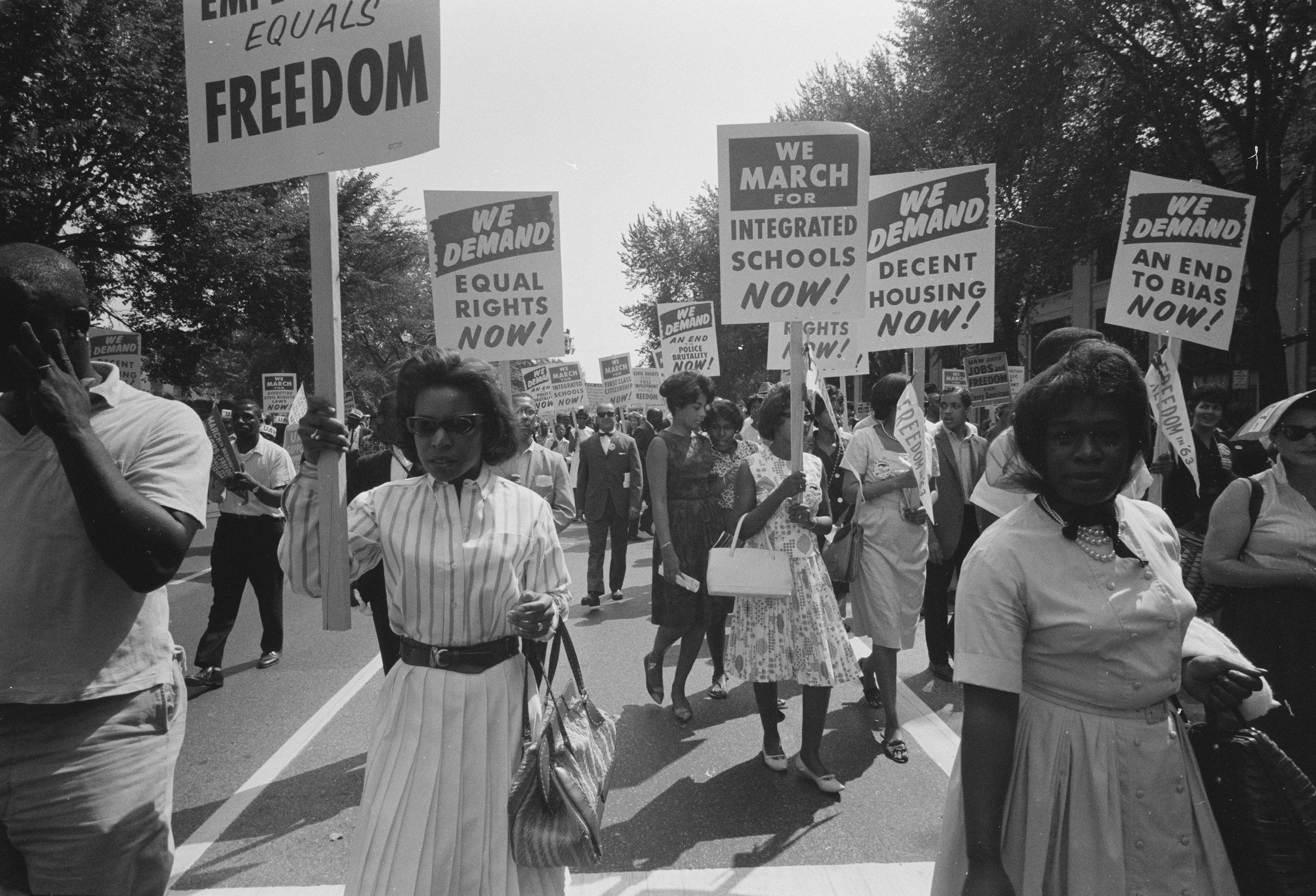
This Black History Month coincides with a moment when many Americans feel we're approaching an inflection point. Some fear we're heading toward conflict. Others hope we're moving toward reckoning. Most of us feel uncertain about what comes next.
The history of 19th-century Black orchestras can't resolve our current tensions. But it can remind us of patterns we're repeating and choices we're facing that aren't unprecedented.
We're once again in a moment when Americans are being sorted into racial categories that determine which history we're allowed to claim as ours. "Black history" and "American history" are presented as separate subjects, as if Black Americans haven't been central to every aspect of American development since before the nation's founding.
We're once again seeing backlash against integration, framed as protecting standards or preserving culture or returning to some imagined authentic past. The arguments against diversity in orchestras today echo arguments made when musicians' unions re-segregated after Reconstruction: concerns about "lowering standards," anxieties about "forced integration," fears that excellence and inclusion are incompatible.
We're once again witnessing erasure of evidence that contradicts narratives about what's possible. The existence of Black classical musicians is treated as surprising in every generation, requiring them to repeatedly prove something their predecessors already demonstrated. The pattern of forgetting and rediscovering isn't accidental; it's how segregated memory maintains itself.
But we're also in a moment of possibility. More Americans are asking questions about whose stories we tell and how we tell them. More cultural institutions are examining their histories and confronting their exclusions. More people are recognizing that segregated narratives impoverish everyone.
Remembering these orchestras isn't about adding a few names to Black History Month curricula, though that would be a start. It's about fundamentally rethinking how we understand American achievement, American music, and American possibility.
It requires recognizing that excellence has always existed across racial lines, even when institutional structures worked to prevent it from being recognized or rewarded. Francis Johnson's compositions don't become excellent because we finally remember them. They were always excellent. We just chose to forget.
It requires acknowledging that integration isn't new or unprecedented in American life. It's been achieved and dismantled and achieved again multiple times throughout our history. The question isn't whether Americans can work across racial lines because we have concrete evidence that we can and have. The question is whether we'll choose to build systems that support that integration or continue building systems that undermine it.
It requires accepting complicated truths about how social change happens. These musicians gained access through a combination of undeniable excellence, economic leverage, individual relationships with white allies, and strategic navigation of racial dynamics. Their success doesn't provide a simple blueprint, but it does demonstrate that change comes through multiple pathways, not single strategies.
It requires understanding that when we segregate history, we don't just harm those whose stories are excluded. We harm everyone by limiting our understanding of what's possible, who can achieve it, and how we might work together to build something better than what we inherited.
Most importantly, it requires recognizing that this isn't just about the past. Every time we treat Black classical musicians as anomalies rather than part of a continuous tradition, we're participating in the same erasure that made us forget Francis Johnson. Every time we segregate history into "Black History Month" versus the rest of the year, we're reinforcing the idea that Black achievement is supplemental to American history rather than central to it. Every time we're surprised that integration has historical precedent, we reveal how thoroughly we've been trained to forget.
We don't need sanitized history that pretends racism didn't exist or that ignores how thoroughly it shaped American institutions. The musicians I studied succeeded despite pervasive, brutal, legally sanctioned racism. Their achievement doesn't erase that reality.
But we also don't need history that treats Black Americans only as victims of oppression, that focuses solely on suffering while erasing centuries of achievement, creativity, resilience, and joy. Francis Johnson wasn't just surviving slavery's aftermath. He was creating art that moved audiences across continents. The Negro Philharmonic Society wasn't just responding to segregation. They were building institutions that educated musicians, preserved culture, and created beauty.
We need history that's complicated enough to hold both truths: that America has been profoundly shaped by racist ideology and institutions, and that Americans have repeatedly created integrated spaces of achievement despite those structures. That Black Americans have faced systematic oppression, and that they've produced remarkable art, scholarship, and cultural innovation throughout that oppression. That integration has deep roots in American life, and that it's been deliberately dismantled multiple times when those in power found it threatening.
This kind of history doesn't resolve our current tensions by making them disappear. It clarifies them by showing us the patterns we're repeating and the choices we're facing that earlier generations also confronted.
We can choose to remember or forget. We can choose to build institutions that support integration or that undermine it. We can choose to recognize achievement across racial lines or continue insisting that excellence is racially coded. We can choose to learn from our complicated past or continue pretending each generation faces unprecedented challenges.
The orchestras I studied were forgotten because remembering them contradicted ideologies that required seeing Black achievement as impossible and integration as unprecedented. Their memory was incompatible with segregation's architecture.
Which raises a question for our current moment: What will our forgetting reveal about our ideological commitments? When future researchers look back at this moment, what will they find we chose to erase? What truths about American possibility are we actively working to forget because they contradict narratives we find comforting or useful?
As a therapist, I see how trauma operates not just in individuals but in communities and cultures. One of trauma's primary effects is the fragmentation of memory, the inability to integrate difficult experiences into coherent narratives, the splitting of experience into incompatible stories that can't be held together.
American culture is showing symptoms of collective trauma around race and history. We're increasingly unable to hold multiple truths simultaneously. We retreat into competing narratives that feel irreconcilable. We treat nuance as betrayal and complexity as confusion.
The history of Black classical musicians offers practice in holding complexity. These were people who achieved remarkable things while facing brutal oppression. They integrated with white colleagues who both respected their talent and participated in racist systems. They used European musical forms while maintaining Black identity and political consciousness. Their success benefited both Black and white Americans. Their erasure harmed everyone.
None of these truths cancel out the others. All of them are American history.
Learning to hold this complexity isn't just an intellectual exercise. It's a necessary skill for a diverse democracy. If we can only tell simple stories about villains and heroes, oppressors and oppressed, pure triumph or pure tragedy, we can't navigate the complicated reality of being a multiracial society with a history of racial oppression that's still shaping our present.
But if we can learn to hold complexity, to recognize that progress and backlash coexist, that integration has deep roots and shallow soil, that achievement and oppression happen simultaneously, we might find pathways forward that our current polarization makes invisible.
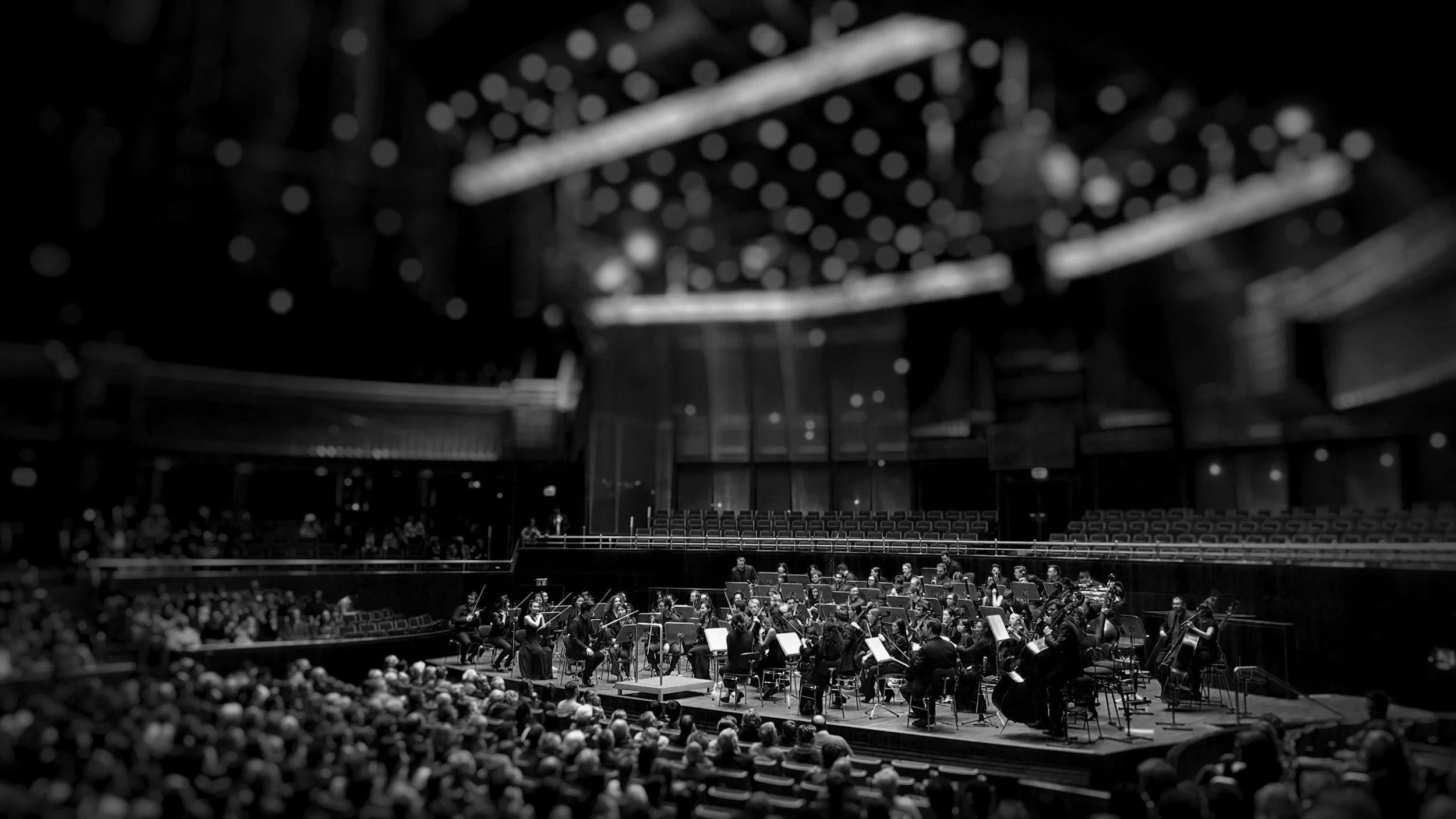
As I write this, orchestras across America are struggling with diversity. The statistics are grim: Black and Latino musicians make up less than 2% of major symphony orchestras. The explanations offered usually focus on pipeline problems, access to instruments and training, or the economics of pursuing classical music careers.
All of those factors matter. But they don't explain why we keep being surprised that Black classical musicians exist, why their presence is treated as a recent diversity initiative, aka DEI aka Affirmative Action, rather than a reclaimed tradition, why we've had to fight the same battles for recognition and access in every generation.
We're still forgetting. We're still treating each Black principal player, each Black conductor, each Black composer whose work gets programmed as an individual breakthrough rather than part of a continuous tradition. We're still acting as if integration in classical music is unprecedented rather than restored.
The musicians I studied couldn't have imagined that we'd still be having these conversations 150 years later. They believed their excellence was clearing paths that future generations would walk more easily. Instead, those paths were deliberately overgrown, the markers removed, the maps redrawn to show wilderness where roads had been.
Every generation has had to rediscover what their predecessors achieved and fight the same battles for recognition. Not because the battles weren't won before, but because the victories were systematically erased.
This is what segregated memory costs us: not just knowledge of the past, but the ability to build on what previous generations accomplished. We keep starting over, keep treating progress as unprecedented, keep pretending we're the first to attempt what's actually been achieved and dismantled multiple times.
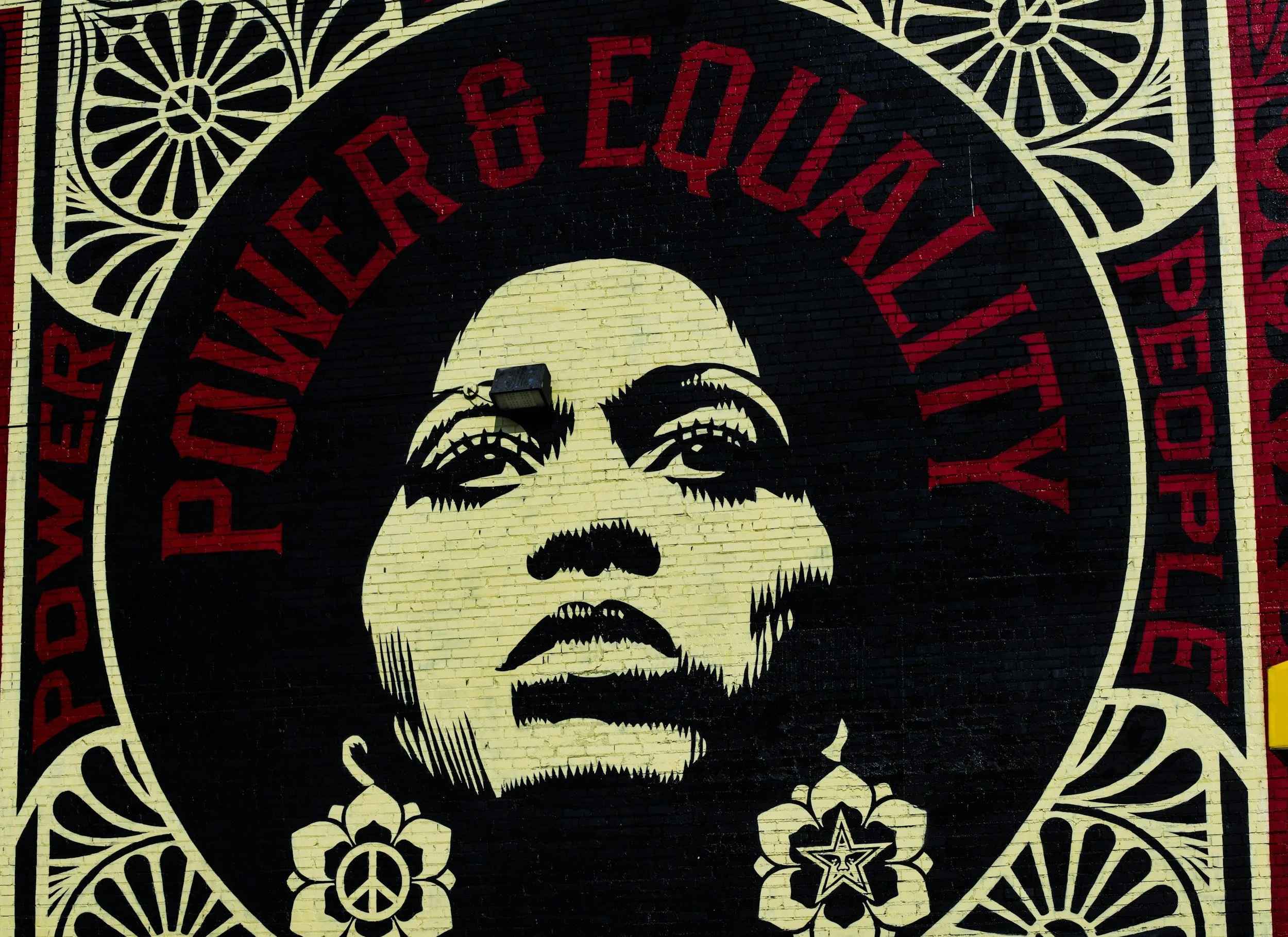
Black History Month was created because American history as commonly taught excluded Black Americans' essential contributions. It was meant to supplement incomplete narratives until we could tell more complete ones.
But something shifted over time. Black History Month became a container for segregated memory rather than a pathway to integrated understanding. We celebrate Black achievement in February, then return to teaching history the rest of the year as if Black Americans were incidental to American development.
Francis Johnson deserves to be remembered in February. But he also deserves to be taught in American music history courses as one of the most significant bandleaders and composers of the early 19th century. The Negro Philharmonic Society should be celebrated during Black History Month. But it should also be central to how we understand the development of American orchestral music and the cultural life of 19th-century New Orleans.
The musicians I studied shouldn't need a special month to be remembered. They should be as familiar to music students as their white contemporaries. Their achievements should be American musical history, not a supplemental category.
Until that happens, we're still participating in the erasure. We're still treating Black achievement as separate from American achievement. We're still constructing a history that makes integration seem impossible and Black excellence seem anomalous.
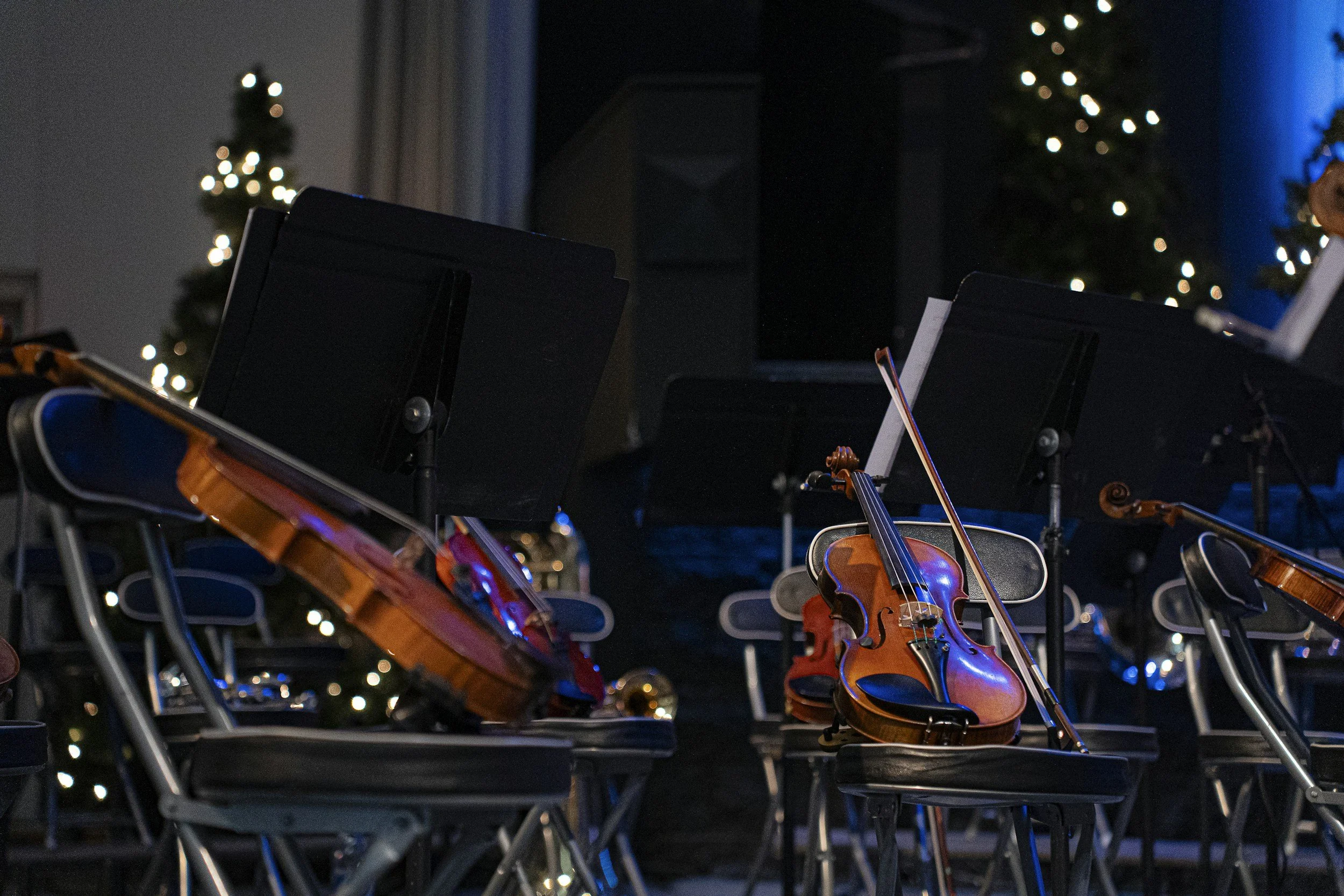
Here's what I learned from years of researching orchestras most people don't know existed: We've done this before. Americans have built integrated spaces of achievement across racial lines. We've created institutions where Black and white colleagues worked together as peers. We've recognized excellence regardless of who created it. We've demonstrated that inclusion enriches everyone.
And we've dismantled what we built. We've segregated again. We've forgotten what we achieved. We've made each generation believe they're attempting something unprecedented.
The question for this Black History Month, in this moment when America feels increasingly fractured, isn't whether integration is possible. We have centuries of evidence that it is. The question is whether we'll choose to remember that evidence and build on it, or whether we'll participate in another cycle of forgetting and re-segregation.
The musicians I studied can't make that choice for us. They're long dead, their orchestras dissolved, their music largely unperformed. But they left evidence in published compositions, newspaper reviews, concert programs, membership records that integration isn't unprecedented, that Black achievement has always been American achievement, that we've built this before.
Remembering them won't resolve our current tensions. But it might remind us that we've faced similar tensions before, that we've made choices between integration and segregation multiple times, and that those choices have had consequences that echo across generations.
It might remind us that when we choose segregation of memory, of institutions, of achievement… everyone loses. We lose access to the full richness of American culture. We lose the innovations that come from diverse perspectives working together. We lose the evidence that what we're attempting has been achieved before. We lose hope.
But when we choose integration, and I mean messy, complicated, never perfect integration, we gain something that segregated societies can't produce. We gain art that neither tradition could create alone. We gain institutions enriched by diverse excellence. We gain evidence of American possibility that's larger than our current conflicts.
The orchestras I studied weren't perfect models of racial justice. They operated in profoundly unjust times and made complicated accommodations to survive. But they demonstrated something important: that Americans are capable of creating beauty together across racial lines, that excellence transcends the categories we use to contain it, that integration enriches everyone who participates in it.
That's not just Black history. That's American history. And in this moment when we're being asked to choose between competing visions of America's future, it's history we can't afford to forget again.
My research on 19th-century Black classical musicians was completed as a Master's thesis in ethnomusicology at the University of Chicago. The orchestras and musicians discussed—Francis Johnson, Walter Craig, the Negro Philharmonic Society, and many others—left extensive documentary evidence of their achievements in concert programs, published compositions, newspaper reviews, and organizational records. Their erasure from standard music history texts wasn't the result of insufficient evidence but of deliberate choices about whose stories mattered. This post draws on that research to ask what we lose when we segregate memory and what we might gain from remembering more completely.